
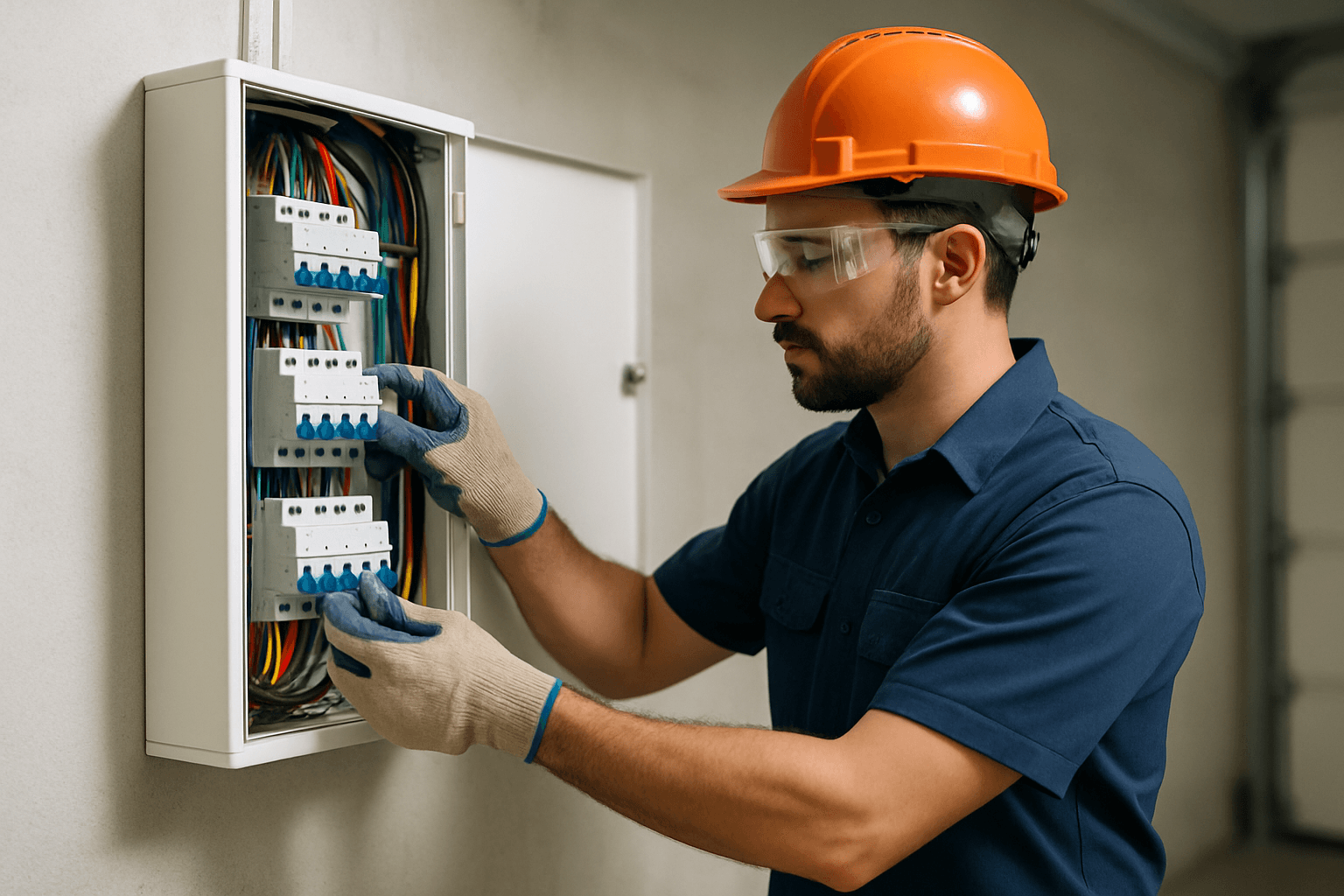
What Electricians Charge
Electrical work is one area where you absolutely want a licensed professional—not just for quality, but for safety and code compliance. Understanding what electricians charge helps you budget and evaluate quotes. Here's the breakdown for 2026:
Hourly rates for licensed electricians typically range from $75 to $150 per hour, depending on your location, the electrician's experience, and job complexity. Master electricians at the high end of the range bring specialized expertise for complex projects.
Service call fees (the minimum charge just to have an electrician come out) run $100-$200. Many electricians waive this fee if you proceed with the repair, but charge it for diagnostic visits where you decline the work or need a second opinion.
Trip charges or travel fees of $50-$100 are common if you're outside the electrician's primary service area.
Emergency rates (nights, weekends, holidays, or urgent safety issues) typically cost 1.5 to 2 times standard rates. A $100/hour electrician might charge $150-$200/hour for after-hours emergency work.
Why electrical work costs what it does: Licensed electricians invest years in apprenticeships, carry expensive insurance, maintain specialized tools, stay current on constantly evolving electrical codes, and take on significant liability. You're paying for expertise that keeps your home safe—and that's worth every penny.
Common Electrical Service Costs
Here's what you can expect to pay for typical residential electrical services in 2026:
| Service | Typical Cost Range |
|---|---|
| Replace outlet or switch | $150-$300 |
| Install GFCI outlet | $200-$350 |
| Replace light fixture | $150-$400 |
| Install ceiling fan | $200-$500 |
| Install recessed lighting (per fixture) | $200-$400 |
| Install new outlet (existing wire) | $200-$400 |
| Install new outlet (new wire run) | $400-$800 |
| Install dedicated circuit | $500-$1,200 |
| Troubleshooting/diagnosis | $100-$300 |
| Smoke/CO detector installation | $150-$300 each |
| Outdoor outlet installation | $300-$600 |
| Landscape lighting installation | $500-$2,000 |
These prices include labor and basic materials. Specialty fixtures, smart home devices, or premium materials increase costs proportionally.
Pro tip: If you have multiple small electrical tasks (replacing several outlets, installing a few light fixtures, adding a switch), bundling them into one visit is more cost-effective than scheduling separate trips. You pay the service call once and the electrician works more efficiently.
Major Electrical Project Pricing
Larger electrical projects involve more planning, materials, labor, and often permits. Here's what to expect for major work:
Electrical Panel Upgrade: $1,500-$4,000
Upgrading from a 100-amp to 200-amp panel (standard for modern homes with multiple large appliances, EV chargers, etc.) is one of the most common major electrical projects. The wide range reflects:
- Panel type and quality ($500-$1,500 for the panel itself)
- Labor complexity (easy access vs difficult location)
- Whether utility company needs to upgrade service entrance
- Permit and inspection fees ($100-$500)
Whole-House Rewiring: $8,000-$15,000+
Older homes with outdated, unsafe wiring (knob-and-tube, aluminum, undersized circuits) often need complete rewiring. For a typical 1,500-2,500 sq ft home, expect:
- Materials (wire, outlets, switches, boxes): $2,000-$4,000
- Labor (3-10 days depending on access): $5,000-$10,000
- Permits and inspections: $500-$1,500
- Drywall repair (if access requires cutting walls): $1,000-$3,000
Total costs can reach $20,000-$30,000 for larger homes or complex situations requiring extensive wall opening and repair.
EV Charger Installation: $800-$2,500
Installing a Level 2 home EV charger involves:
- Charger unit: $400-$1,200 (often purchased separately)
- Dedicated 240V circuit installation: $300-$1,000
- Additional panel capacity if needed: $500-$1,500
Garages close to the electrical panel are cheaper; detached garages requiring long wire runs cost significantly more.
Generator Installation (Whole-House): $3,000-$8,000
Permanent standby generators that automatically power your home during outages include:
- Generator unit: $2,000-$5,000
- Transfer switch: $500-$1,200
- Electrical installation and hookup: $1,000-$2,500
- Gas line work (if natural gas): $500-$1,500
Outdoor/Landscape Electrical: $1,000-$5,000
Adding outdoor lighting, outlets, or landscape features varies widely based on scope:
- Basic outdoor outlet: $300-$600
- Landscape lighting system: $1,000-$3,000
- Pool/spa electrical: $1,500-$5,000
- Security lighting with motion sensors: $800-$2,000
Factors That Affect Electrical Costs
Two homes might receive vastly different quotes for similar work. Here's what creates the variance:
1. Accessibility
Electrical work in finished spaces costs more than work during construction or renovation. If the electrician needs to cut into walls, fish wire through insulation, or work in cramped attics and crawl spaces, labor hours multiply. Finished basements and rooms with vaulted ceilings add complexity and cost.
2. Age and Condition of Existing Wiring
Working with modern wiring in good condition is straightforward. Dealing with deteriorated insulation, outdated materials (aluminum wiring, ungrounded systems), or amateur DIY work from previous owners requires extra care, time, and often correction of unsafe conditions—all of which increases costs.
3. Code Compliance Requirements
Electrical codes evolve constantly. When electricians open a wall or panel, they're often required to bring everything to current code—even if you only called them for a simple outlet replacement. This can add unexpected costs but is legally required and important for safety.
4. Permit and Inspection Requirements
Minor repairs typically don't require permits. Major work (panel upgrades, new circuits, significant additions) almost always does. Permit fees run $50-$500 depending on project scope and jurisdiction. Factor in inspection scheduling and potential re-work if inspectors identify issues.
5. Material Quality
Standard outlets cost $2. Hospital-grade tamper-resistant GFCI outlets cost $25. Basic light fixtures start at $30; designer fixtures run hundreds or thousands. Your material choices significantly impact total project cost, but electrician labor stays relatively constant.
6. Smart Home Integration
Installing basic switches and outlets is straightforward. Installing smart switches, dimmers, and outlets with app control or home automation integration adds complexity, requires programming/setup, and often costs 20-50% more in labor beyond the premium device cost.
7. Time Sensitivity
Scheduling work during normal business hours at the electrician's convenience costs standard rates. Needing work done urgently, on specific days, or outside normal hours increases costs—sometimes significantly.
Safety and Saving Money
Electrical work is one area where DIY can be genuinely dangerous and often illegal (many jurisdictions require licensed electricians for anything beyond replacing devices in existing boxes). That said, here's how to keep costs reasonable without compromising safety:
What Homeowners Can Safely Do:
- Replace light bulbs and fixtures (if just swapping the fixture, not changing wiring)
- Replace outlets and switches in existing boxes (if comfortable and code allows)
- Reset breakers and GFCI outlets
- Test smoke and CO detectors
What ALWAYS Requires a Licensed Electrician:
- Any work inside the electrical panel
- Running new circuits or wiring
- Increasing amperage or adding circuits
- Work on service entrance or meter
- Any work requiring permits
- Troubleshooting complex electrical issues
- Anything involving 240V circuits
Money-Saving Strategies (That Don't Compromise Safety):
1. Bundle Work
If you have a list of electrical tasks, schedule them together. One service call for five tasks costs far less than five separate visits.
2. Do Your Own Prep
If you're having recessed lights installed, clearing the attic space and moving insulation beforehand saves the electrician time. If you're upgrading a panel, clearing the area around it helps. Don't touch anything electrical, but prep the work area.
3. Buy Your Own Fixtures (Carefully)
Some electricians are fine with you providing fixtures, especially if you have specific design preferences or found deals online. Others prefer to supply materials themselves (for warranty and liability reasons). Ask upfront. If you do buy fixtures, ensure they're quality products—cheap fixtures can fail or create callbacks.
4. Schedule During Off-Peak Times
Electricians are busiest during business hours on weekdays. If you have flexibility, asking for early morning, late afternoon, or shoulder season scheduling might get you small discounts.
5. Get Quotes, But Value Expertise Over Price
For major work, get 2-3 quotes. But don't automatically choose the cheapest. Electrical work done wrong can cause fires, injuries, or thousands in damage. A licensed, insured, experienced electrician charging 15-20% more than an unknown quantity is money well spent.
6. Invest in Preventive Maintenance
Annual or biennial electrical inspections ($150-$300) can identify small issues before they become expensive problems or safety hazards. Catching a loose connection early prevents a $2,000 panel fire later.
Red Flags That Should Stop You From Hiring Someone:
- Not licensed or unwilling to show license
- No insurance or proof of insurance
- Suggests skipping required permits
- Offers pricing dramatically lower than other quotes
- Can't or won't explain the work being done
- Pressure tactics or "today-only" pricing
Find qualified electricians fast. Don't spend days calling around trying to find licensed professionals who can fit you into their schedule. Modern platforms like EasyQuoteBot connect you with vetted, licensed electricians in your area and provide detailed quotes based on your specific needs. Compare pricing, availability, and credentials instantly—so you can get your electrical work done safely, correctly, and at a fair price.
Electrical work is too important to cut corners on. Whether you're adding an outlet, upgrading your panel, or rewiring your home, working with qualified, licensed professionals ensures safety, code compliance, and long-term reliability. Understanding typical costs and what drives pricing helps you budget appropriately and recognize fair quotes when you see them. The key is finding electricians who communicate clearly, provide detailed estimates, carry proper licensing and insurance, and have a track record of quality work—and that search starts with knowing what to expect and what questions to ask.
About the author
EasyQuoteBot Team
Helping service businesses automate quoting and win more jobs. Have a topic you'd like us to cover? Let us know!
Ready to automate your quotes?
Start your 14-day free trial and see how EasyQuoteBot can help you win more jobs.