
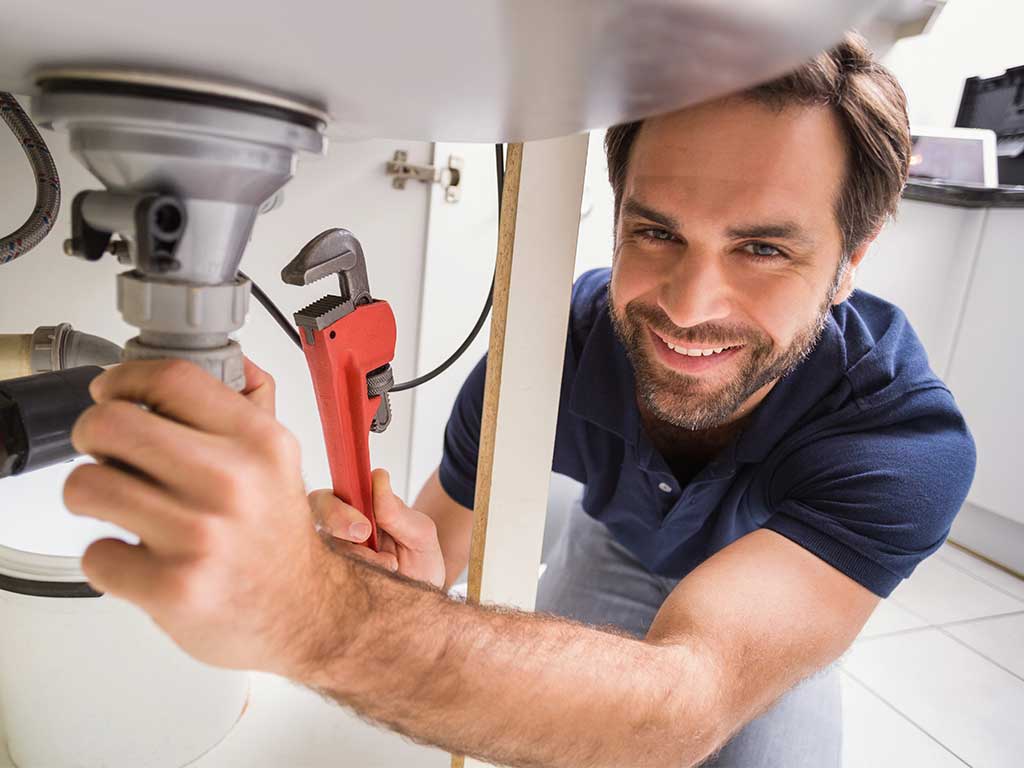
Typical Plumbing Costs
If you're dealing with a plumbing issue, the first question on your mind is probably: "How much is this going to cost?" The answer depends on several factors, but let's start with the baseline numbers you can expect in 2026.
Service call fees (the cost just to have a plumber show up and diagnose the problem) typically range from $75 to $200, depending on your location and the company. Many plumbers waive this fee if you proceed with the repair.
Hourly labor rates for licensed plumbers average $75-$200 per hour. You'll see the lower end in smaller cities and rural areas, and the higher end in major metropolitan markets like San Francisco, New York, or Seattle.
For most common repairs—a leaky faucet, a clogged drain, a running toilet—you're looking at total costs between $150 and $500 including labor and materials. More complex issues like water heater replacement or sewer line repair can easily reach $1,500-$5,000 or more.
Important to know: Plumbing emergencies (burst pipes, major leaks, sewage backups) that require immediate response typically carry premium pricing—expect to pay 1.5 to 2 times the standard rate for after-hours, weekend, or holiday service.
What Affects Plumbing Costs?
Understanding why prices vary helps you evaluate quotes and avoid overpaying. Here are the main factors that influence what you'll pay:
1. Location and Cost of Living
A plumber in rural Iowa charges differently than one in Manhattan. Markets with higher costs of living, more regulatory requirements, and higher demand naturally have higher rates. Expect urban areas to run 30-50% higher than rural markets.
2. Time and Urgency
A scheduled appointment during business hours costs significantly less than an emergency call at 11 PM on Sunday. Plumbers charge premium rates for after-hours work because they're disrupting their personal time and maintaining availability for emergencies.
3. Complexity and Accessibility
A simple faucet replacement takes 30 minutes. Repairing a pipe behind a finished wall requires cutting drywall, making the repair, and then patching everything back. Jobs that require difficult access, specialized tools, or multiple trips automatically cost more.
4. Experience and Licensing
Master plumbers with 20 years of experience and additional certifications typically charge more than newly licensed plumbers. You're paying for expertise, efficiency, and the confidence that the job will be done right the first time.
5. Parts and Materials
Some repairs need only basic supplies. Others require specific fixtures, specialty parts, or premium materials. A standard toilet flapper costs $5. A high-efficiency dual-flush toilet mechanism might be $150. Always ask for itemized quotes that separate labor from materials.
Common Repair Pricing
Here's what you can expect to pay for typical plumbing repairs in 2026:
| Service | Typical Cost Range |
|---|---|
| Leaky faucet repair | $150-$350 |
| Toilet repair (running/not flushing) | $150-$300 |
| Drain cleaning (simple clog) | $150-$300 |
| Main sewer line cleaning | $300-$600 |
| Water heater repair | $200-$600 |
| Water heater replacement | $1,200-$3,500 |
| Pipe leak repair (accessible) | $200-$500 |
| Pipe leak repair (behind wall) | $500-$1,500+ |
| Garbage disposal installation | $250-$500 |
| Sump pump installation | $500-$1,500 |
These are averages. Your actual cost depends on the factors mentioned above. A straightforward repair in a small town might come in below these ranges. A complex job in an expensive city might exceed them.
Pro tip: Many plumbing issues start small and get expensive when ignored. A slow drip from a faucet might only cost $200 to fix today, but if it damages your cabinet or subfloor over months, you're looking at $2,000+ in water damage repairs plus the original plumbing fix.
Emergency vs Scheduled Service
Understanding the difference between emergency and scheduled service helps you make smart decisions about when to call and what to expect.
Scheduled Service (Business Hours)
This is when you call during normal business hours (typically 8 AM to 5 PM, Monday through Friday) to schedule an appointment. The plumber arrives at an agreed-upon time, diagnoses the issue, and completes the work. This is your most cost-effective option, with standard hourly rates and service fees.
Emergency Service (After-Hours)
Emergency service is for situations that can't wait—burst pipes flooding your basement, complete loss of water, sewage backups, or gas line leaks. Plumbers maintain on-call availability for these situations, and charge accordingly.
Emergency rates typically include:
- Higher hourly rates (often 1.5-2x standard rates)
- Higher minimum service charges ($300-$500 is common)
- Premium pricing for holidays and weekends
- Faster response times (often within 1-2 hours)
When emergency service makes sense:
- Active flooding or major water leak
- Complete loss of water to the home
- Sewage backup into living spaces
- Suspected gas line leak
- Burst pipe in freezing weather
What can usually wait until business hours:
- Slow drains (unless completely blocked)
- Dripping faucets that aren't causing damage
- Running toilets (turn off the water valve)
- Low water pressure issues
- Minor leaks that you can contain with a bucket
If you're unsure whether your situation qualifies as an emergency, call and describe the problem. Most plumbing companies will give you honest advice about whether it can wait.
How to Save on Plumbing
Plumbing work isn't cheap, but there are smart ways to manage costs without compromising on quality:
1. Get Multiple Quotes Quickly
Price shopping is smart, but waiting days to collect quotes defeats the purpose if the problem is worsening. Modern quoting platforms let you get accurate estimates from multiple plumbers in minutes, not days. You can compare pricing and availability without the problem escalating while you wait.
2. Schedule During Business Hours When Possible
If the issue isn't a true emergency, scheduling during regular business hours can save you 33-50% compared to after-hours rates. That dripping faucet at 9 PM? Turn off the water valve and call in the morning.
3. Bundle Multiple Repairs
If you have several non-urgent plumbing issues, addressing them in one visit is more cost-effective than multiple service calls. You pay the trip charge once and potentially get better pricing on the combined work.
4. Maintain Your Plumbing Proactively
An annual plumbing inspection costs $150-$300 but can catch small issues before they become expensive emergencies. Preventing a $3,000 water heater failure by replacing a $30 pressure relief valve is money well spent.
5. Know When to DIY and When to Call a Pro
Replacing a toilet flapper? That's a $5 part and 10 minutes with a YouTube video. Anything involving gas lines, main water lines, or work that requires permits? Call a licensed professional. The money you save on a botched DIY job isn't worth the risk.
6. Ask About Warranties and Guarantees
Reputable plumbers stand behind their work. If they're offering a warranty on parts and labor, it's a sign of quality. If they're hesitant to guarantee their work, that's a red flag.
Getting quotes doesn't have to be a hassle. Modern platforms like EasyQuoteBot connect you with licensed plumbers in your area and provide instant, accurate quotes based on your specific needs. No waiting days for callbacks, no playing phone tag—just fast, transparent pricing so you can make informed decisions.
Plumbing costs can feel unpredictable, but understanding the factors that influence pricing puts you in control. Whether you're dealing with a minor repair or a major replacement, getting clear, itemized quotes from reputable professionals is the first step to ensuring you pay a fair price for quality work.
About the author
EasyQuoteBot Team
Helping service businesses automate quoting and win more jobs. Have a topic you'd like us to cover? Let us know!
Ready to automate your quotes?
Start your 14-day free trial and see how EasyQuoteBot can help you win more jobs.