
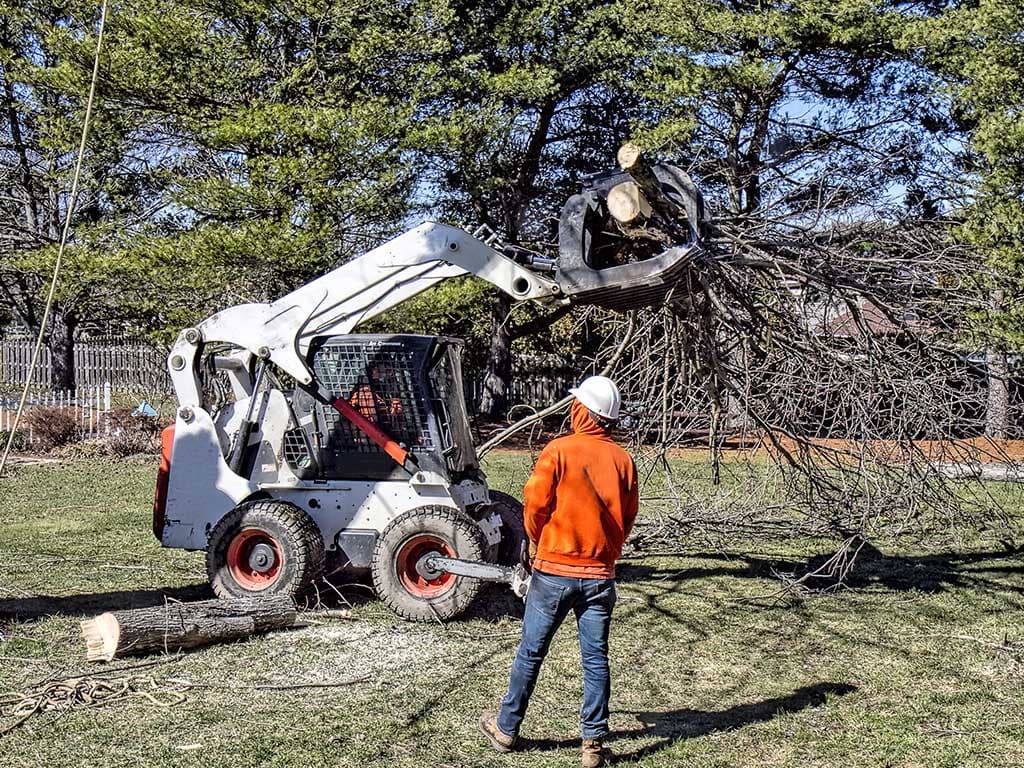
Average Tree Removal Costs
Tree removal is one of those services where the price range is enormous—from a few hundred dollars to several thousand—because no two trees are exactly alike. Size, location, health, and proximity to structures all play major roles in determining what you'll pay.
Average cost for removing a typical tree is $750-$1,500. This assumes a healthy tree of medium size (30-60 feet tall) in a reasonably accessible location without major complications.
Minimum costs for small, simple removals start around $200-$400. This covers small ornamental trees, saplings, or trees in wide-open areas where the crew can drop them safely without rigging.
Complex removals—large trees near homes, power lines, or in tight spaces—can easily reach $2,000-$5,000 or more. These require specialized equipment (cranes, bucket trucks), certified arborists, and painstaking piece-by-piece dismantling.
Emergency tree removal (after storms or when a tree is actively threatening property) typically costs 2-3x normal rates because it requires immediate response, often outside business hours, and involves hazardous conditions.
How Tree Size Affects Cost
Tree size is the single biggest factor in removal cost. Larger trees require more time, more skilled labor, more equipment, and more careful work. Here's the general breakdown:
| Tree Size | Height Range | Typical Cost |
|---|---|---|
| Small trees | Under 30 feet | $200-$700 |
| Medium trees | 30-60 feet | $600-$1,500 |
| Large trees | 60-100 feet | $1,500-$3,000 |
| Very large trees | 100+ feet | $2,500-$5,000+ |
These are baseline prices for healthy trees in relatively open locations. The actual cost for your specific tree might vary significantly based on the factors discussed below.
Why size matters so much:
- Volume of wood: A 100-foot oak contains dramatically more wood than a 30-foot maple. All that wood has to be cut, lowered safely, and hauled away.
- Equipment requirements: Small trees can often be felled with a chainsaw and hauled in a pickup truck. Large trees require bucket trucks, cranes, wood chippers, and multiple heavy-duty vehicles.
- Time and crew size: A small tree might take 2-3 hours with a two-person crew. A large tree can require a 4-5 person crew working a full day or more.
- Skill level required: Removing large trees safely requires certified arborists with specialized training, not just someone with a chainsaw.
Pro tip: Tree removal companies estimate costs by visiting your property and evaluating the tree in person. Be wary of quotes given over the phone based only on height—there are too many other factors that affect pricing for a phone quote to be reliable.
Factors That Increase Costs
Beyond size, several factors can significantly increase tree removal costs—sometimes doubling or tripling the base price:
1. Location and Accessibility
A tree in the middle of an open field? Simple. A tree wedged between your house and your neighbor's with no direct access? That's a completely different project.
Factors that complicate access:
- Trees in fenced backyards with narrow gates
- Trees on steep slopes or hillsides
- Trees in densely landscaped areas
- Trees requiring hand-carrying equipment long distances
- Limited space for trucks and equipment
Difficult access can add $500-$1,500 to the base cost because everything takes longer and requires more careful work.
2. Proximity to Structures
Trees near homes, garages, sheds, power lines, or fences can't simply be cut and dropped. They must be dismantled piece by piece, with each section carefully lowered using ropes and rigging. This precision work is time-intensive and requires skilled professionals.
Expect to pay 25-75% more for trees within falling distance of structures compared to trees in open areas.
3. Tree Health and Condition
Dead, diseased, or rotted trees are actually more expensive to remove, not less. They're unpredictable, branches can break unexpectedly, and the wood is often unstable. Arborists charge more because the work is more hazardous.
Similarly, trees with large cavities, extensive decay, or insect damage require extra caution and often cost 20-40% more than healthy trees.
4. Tree Species
Some trees are simply harder to work with than others. Hardwoods like oak, maple, and hickory are denser and heavier—more work to cut and more expensive to haul. Softwoods like pine are lighter but often grow taller, creating height challenges.
Trees with extensive branching (like mature oaks) take longer to dismantle than trees with simpler structures. Species-specific challenges can add 10-30% to costs.
5. Multiple Trees
If you need several trees removed, most companies offer volume discounts. Removing three trees might not cost 3x the single-tree price—more like 2-2.5x since the crew is already on-site with equipment mobilized.
6. Time of Year
Tree removal companies are busiest after storms and during fall/winter when deciduous trees have lost their leaves (making them easier to work with). During peak season, you'll pay standard rates and might wait weeks for scheduling. In slower seasons (late spring/summer), you might negotiate 10-20% discounts and get faster service.
Stump Removal and Cleanup
Tree removal quotes typically cover cutting the tree down to ground level and hauling away the wood. Two additional services are usually priced separately:
Stump Grinding
Once the tree is removed, you're left with a stump. Most removal quotes leave it at ground level. If you want it gone, stump grinding costs $100-$400 depending on stump diameter and root complexity.
Stump grinding grinds the stump 6-12 inches below ground level, allowing you to fill the area with soil and plant grass. Complete stump and root removal (digging out the entire root ball) is significantly more expensive—$300-$800+—and usually only makes sense if you're building or installing hardscaping in that exact spot.
Wood Disposal vs Leaving Logs
Standard removal includes hauling away all the wood. Some companies offer a discount ($100-$300) if you want to keep the wood for firewood. Keep in mind:
- You'll need to split and stack it yourself
- Fresh-cut wood needs 6-12 months to season before burning
- You're responsible for disposing of branches and debris
For most homeowners, paying for complete removal is worth it for the convenience.
Cleanup Level
Basic cleanup means the crew removes all major wood and leaves the site reasonably tidy. Premium cleanup includes raking all sawdust and small debris, filling the hole where the stump was, and sometimes even seeding grass. Premium cleanup typically adds $100-$250.
How to Save on Tree Removal
Tree removal is expensive, but there are legitimate ways to reduce costs without compromising safety:
1. Get Multiple Quotes (But Not Too Many)
Prices can vary significantly between companies—sometimes by 50% or more. Getting 2-3 quotes helps ensure you're in the right ballpark. But getting 6-7 quotes wastes time and rarely adds value. Focus on finding reputable companies, not just the cheapest price.
2. Schedule During Off-Peak Season
Late spring and summer are slower for tree companies. If your removal isn't urgent, scheduling during these months can save 10-25% and get you faster service.
3. Bundle Multiple Trees
If you have several trees to remove, doing them all at once costs less per tree than scheduling separate visits. The crew is already there with equipment mobilized—adding a second or third tree is incremental work.
4. Keep the Wood
If you have a fireplace or know someone who wants firewood, keeping the wood can save $100-$300 on a typical removal. Just understand what you're signing up for—a large tree produces several cords of wood that need splitting and stacking.
5. Do What You Can Safely
If the tree is down but not yet removed (after a storm, for example), clearing small branches and debris yourself before the crew arrives can reduce their time on-site. Never attempt to cut or move large sections yourself—the savings aren't worth the risk.
6. Verify It Actually Needs Removal
Sometimes homeowners assume a tree must be removed when it could be saved with proper care. Before committing to removal, consider getting an arborist consultation ($100-$200). They can assess tree health and might recommend treatment, pruning, or cabling instead—potentially saving thousands compared to removal.
What NOT to do:
- Don't hire uninsured tree services. If they damage your property or someone gets hurt, you're liable. The savings aren't worth the risk.
- Don't attempt DIY removal on trees over 15 feet. Tree removal is one of the most dangerous jobs in America. Leave it to professionals.
- Don't skip permits if required. Many cities require permits for removing trees over certain sizes. Fines for unpermitted removal can exceed the cost of the permit.
Finding qualified tree services doesn't have to take days. Modern platforms like EasyQuoteBot connect you with licensed, insured arborists in your area and provide detailed quotes based on your specific tree and property. Compare pricing and availability instantly, so you can make an informed decision without playing phone tag with multiple companies.
Tree removal is never cheap, but understanding what drives costs helps you budget appropriately and evaluate quotes fairly. Whether you're removing a hazardous tree, clearing space for construction, or just improving your landscape, working with qualified professionals ensures the job is done safely and completely. The key is getting transparent quotes from reputable companies—and that starts with knowing what to expect and what questions to ask.
About the author
EasyQuoteBot Team
Helping service businesses automate quoting and win more jobs. Have a topic you'd like us to cover? Let us know!
Ready to automate your quotes?
Start your 14-day free trial and see how EasyQuoteBot can help you win more jobs.